
Gallows Hill
by Lois Duncan
Laurel Leaf 2009
Gravekeeper Series
Easy read — content targets 9th–12th grade
Reading level 5.3 (5th grade) but themes aimed at ages 14+
Bookshop.org supports independent bookstores. As an Amazon Associate we earn from qualifying purchases. Retailer links may be affiliate links.
Genre
Themes
- mass hysteria
- identity
- fear vs. reason
- bullying and scapegoating
- past lives and memory
- superstition
- friendship and trust
- courage
About this book
When Sarah moves to a small town and is roped into telling fortunes at a school fair, her eerily accurate visions spark fear and rumors that she’s a witch. As the town’s hysteria grows, Sarah begins to experience chilling connections to the past and must untangle what’s real from what others want to believe. This fast-paced supernatural thriller blends mystery, romance, and suspense. Teens who enjoy eerie atmospheres and moral dilemmas will be hooked.
Setting: a small Midwestern town, contemporary
Readers also enjoyed
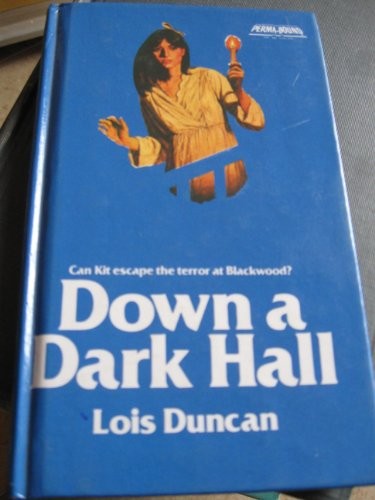
Frequently Asked Questions
Is Gallows Hill right for my child?
It depends — here's what to consider for Gallows Hill. The reading level is AR 5.3, which is typical for 5th grade. The interest level is rated Upper Grades (9–12), meaning the themes and content are designed for ages 14+ (9th–12th grade). Themes include mass hysteria, identity, fear vs. reason.
How long does it take to read Gallows Hill?
At a typical 5th grade reading pace, Gallows Hill takes around 6.3h to finish. The book has 62,000 words. Slower or faster readers may vary significantly.
Does Gallows Hill have an AR quiz?
Yes — Gallows Hill has an AR quiz available, worth 9 points. Your child will need to take and pass the quiz through their school's Accelerated Reader program to earn credit. The quiz is typically 5–20 multiple choice questions about plot, characters, and setting.
What grade level is Gallows Hill?
Gallows Hill has an AR reading level of 5.3, which places it at a 5th grade reading difficulty. The interest level is rated Upper Grades (9–12) — this reflects the age-appropriateness of the content and themes, not just the reading difficulty. A strong younger reader may handle the words fine while the themes are aimed at an older audience, or vice versa.